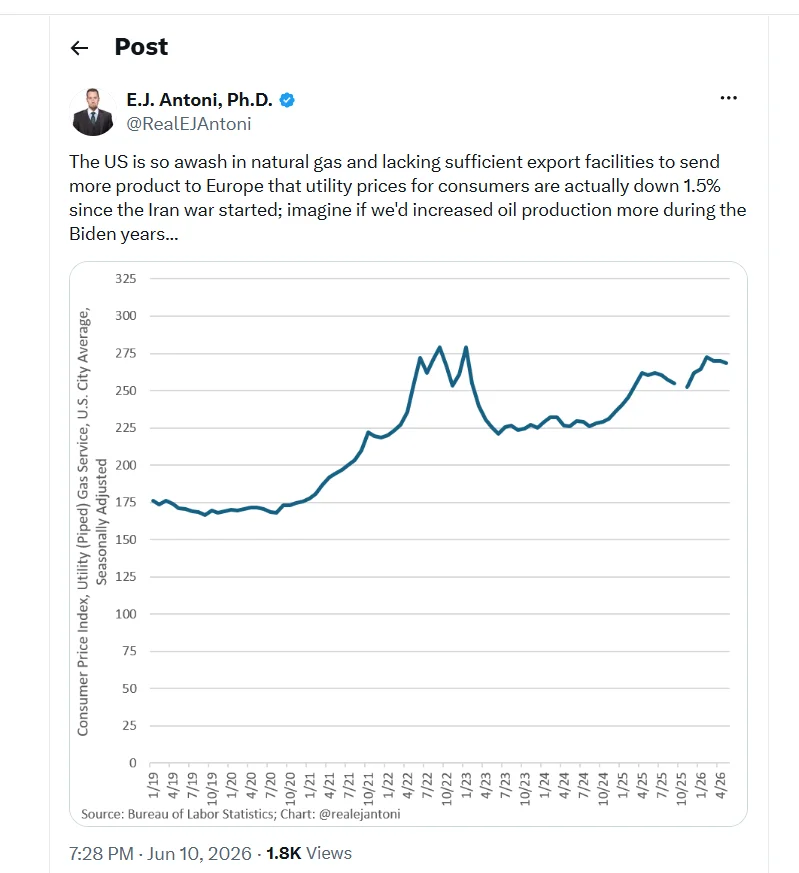
U.S. Oil Output Wouldn’t Shield Consumers From an Iran-Related Price Shock
More domestic drilling might modestly lower world prices, while broader EV incentives could reduce consumers’ exposure to an oil shock.
May producer prices beat forecasts, while consumer inflation expectations stood at 4.8%; a Cleveland Fed nowcast puts PCE inflation near 4%.
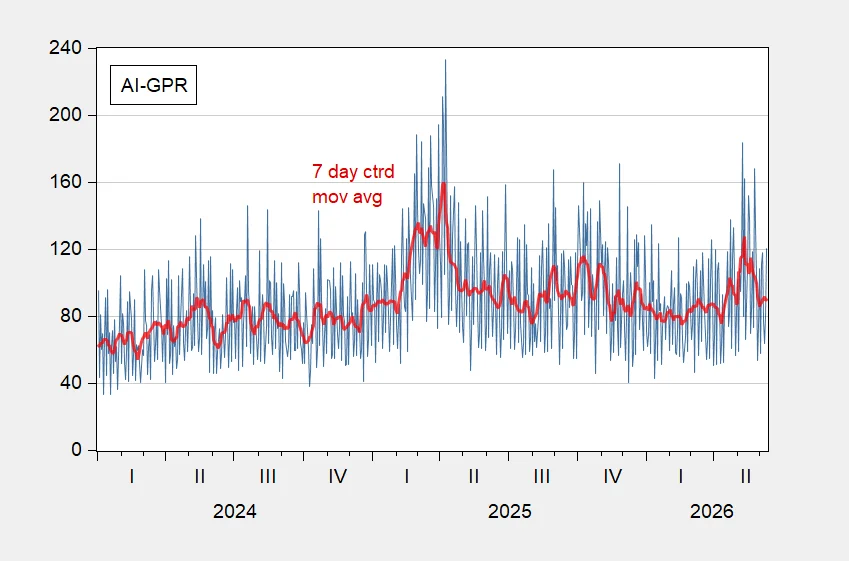
Matteo Iacoviello and Jonathan Tong’s AI-GPR offers daily measures of geopolitical risk, including Middle East oil and US-China relations.
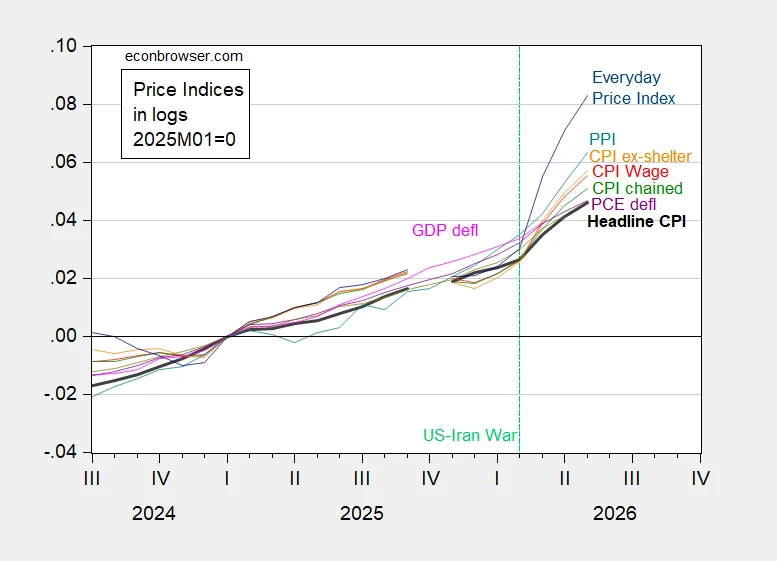
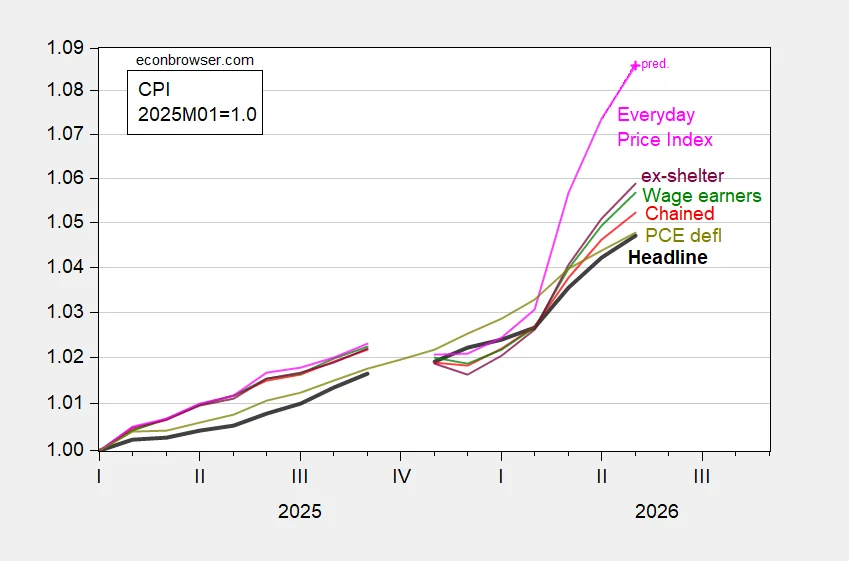
Since January 2025, everyday prices are estimated to have risen 8.6%, eroding perceived wage gains more than headline CPI suggests.
Q1 growth missed expectations and domestic demand weakened, while income held up. Oil prices and export exposure cloud the outlook.
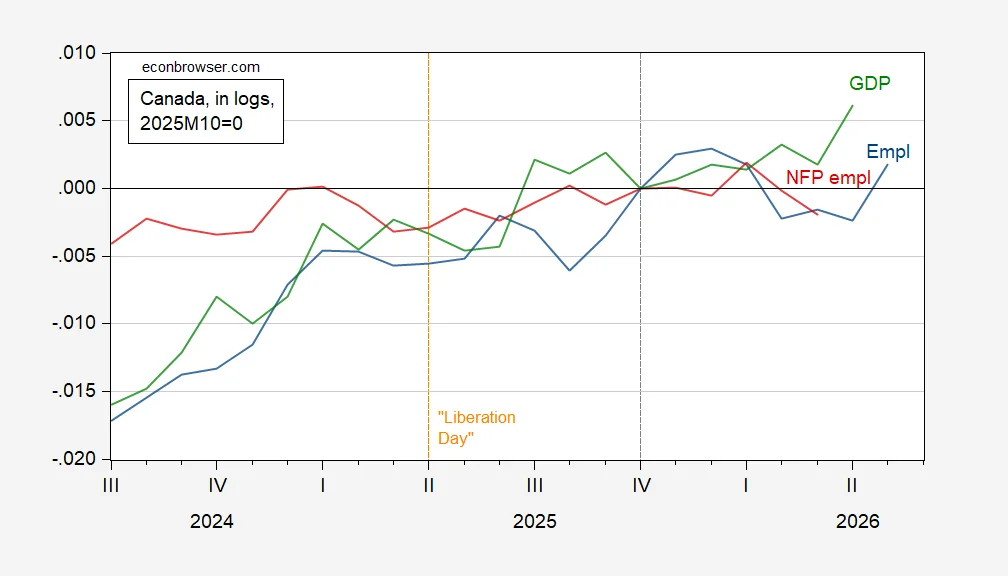
Canada’s latest employment and GDP observations align with Q2, while quarterly indicators and the C.D. Howe council’s statement add recession context.
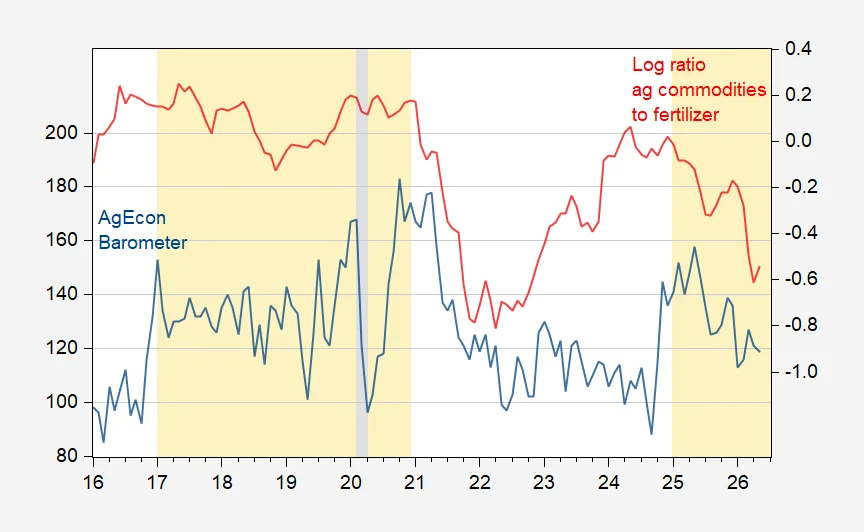
Fertilizer and energy costs remain elevated, while Hormuz shipping delays threaten farm exports. More federal payments may cushion losses.
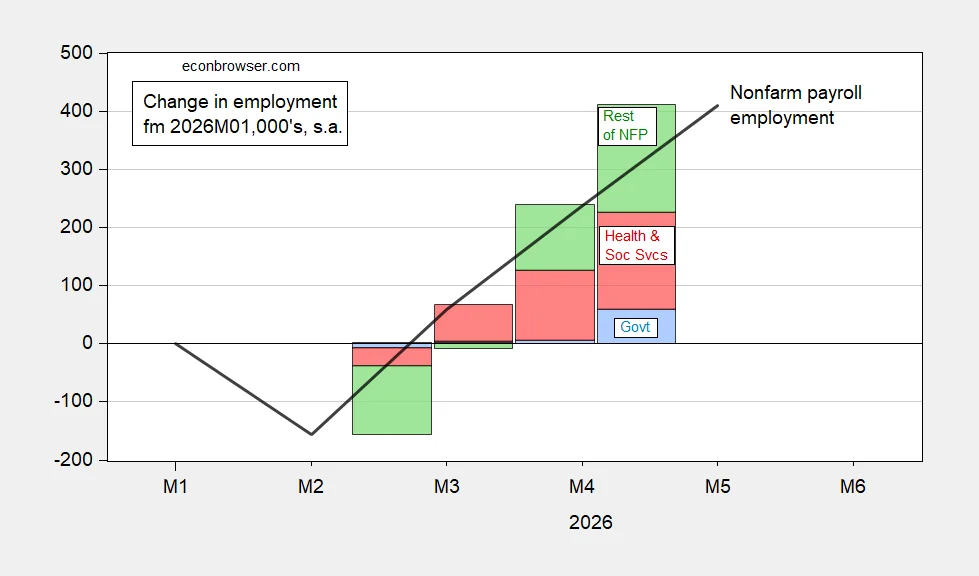
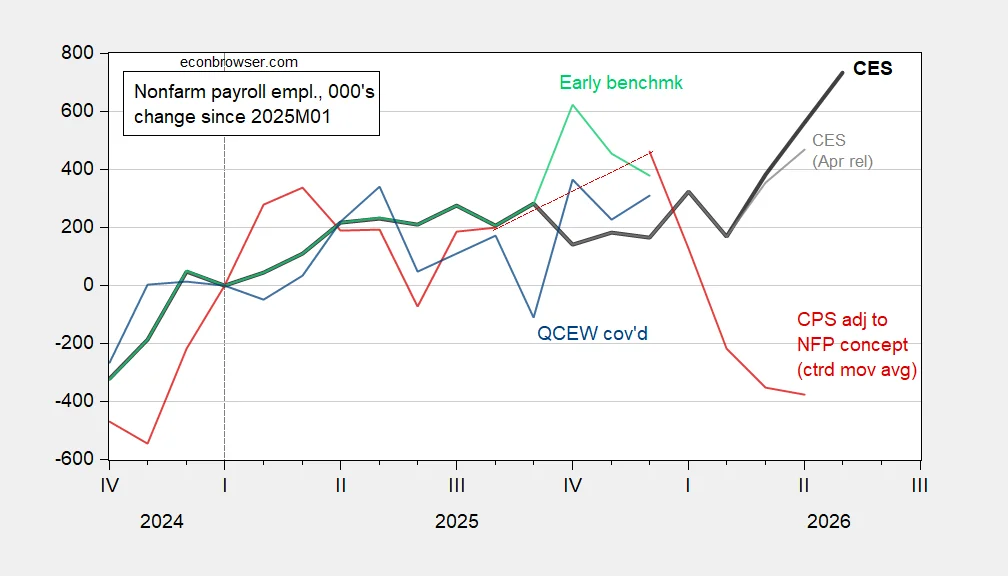
Since January, health, social services and government added 225,500 of the 409,000 payroll jobs, under EJ Antoni’s definition of “unsustainable.”
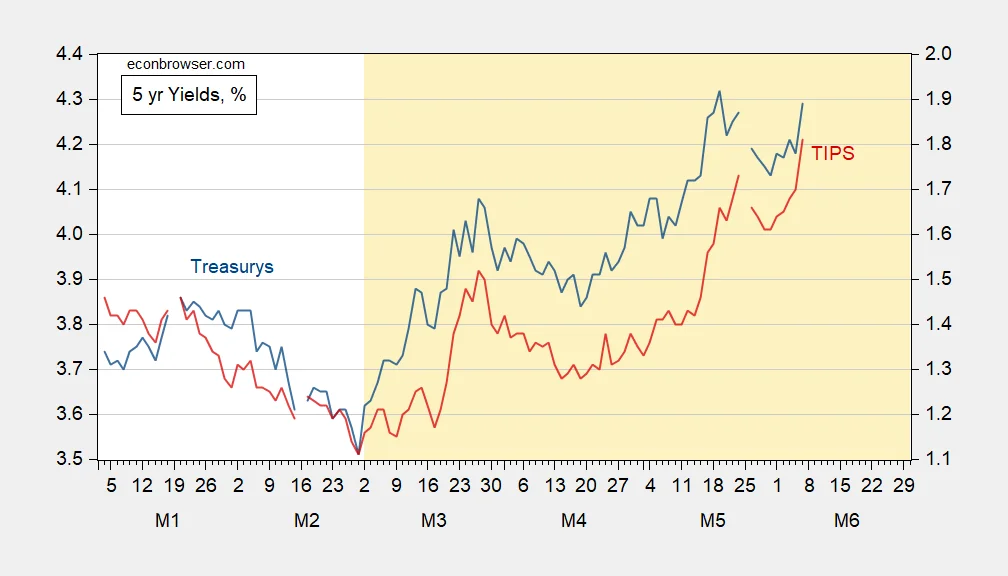
Five-year real yields have reached a new high, while DKW inflation expectations match their prewar level and five-year CDS implies 0.64% default risk.
May payrolls rose by 72,000, but differences across employment data and falling real wage measures temper the headline strength.