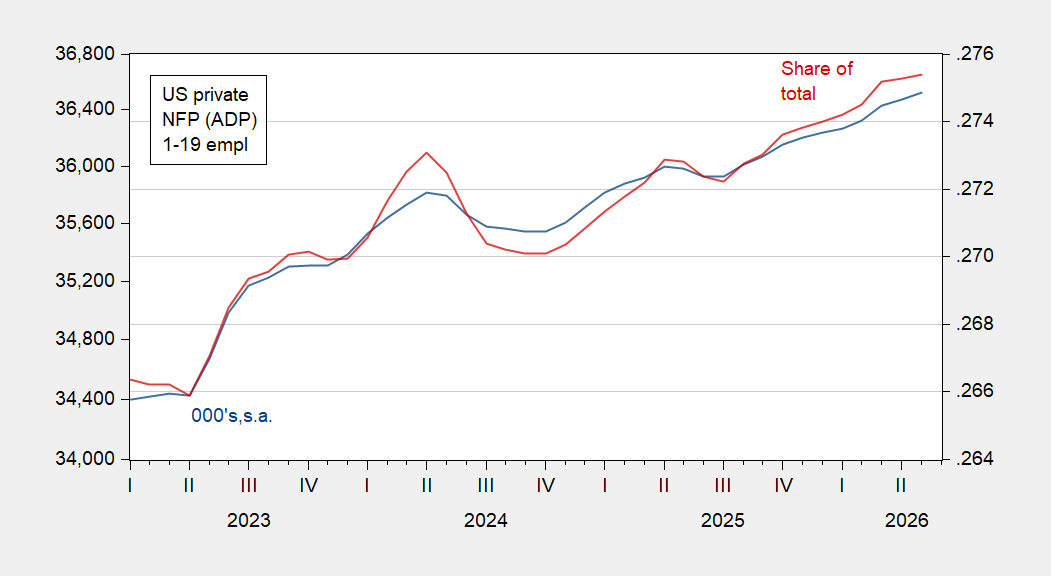
ADP data indicates a rise in overall employment growth, while small firm employment and their share in the market have slowed down, as illustrated by the change in private nonfarm payroll employment for businesses with 1 to 19 employees.
Small Firm Employment Trends Raise Concerns
Despite a general uptick in job growth reported by ADP, small businesses—defined as those with 1 to 19 employees—find themselves in a precarious position. Their share of private employment has been shrinking, indicating shrinking optimism and hiring plans among these establishments. This trend, which has been developing over months, signals less resilience in smaller firms compared to larger counterparts.
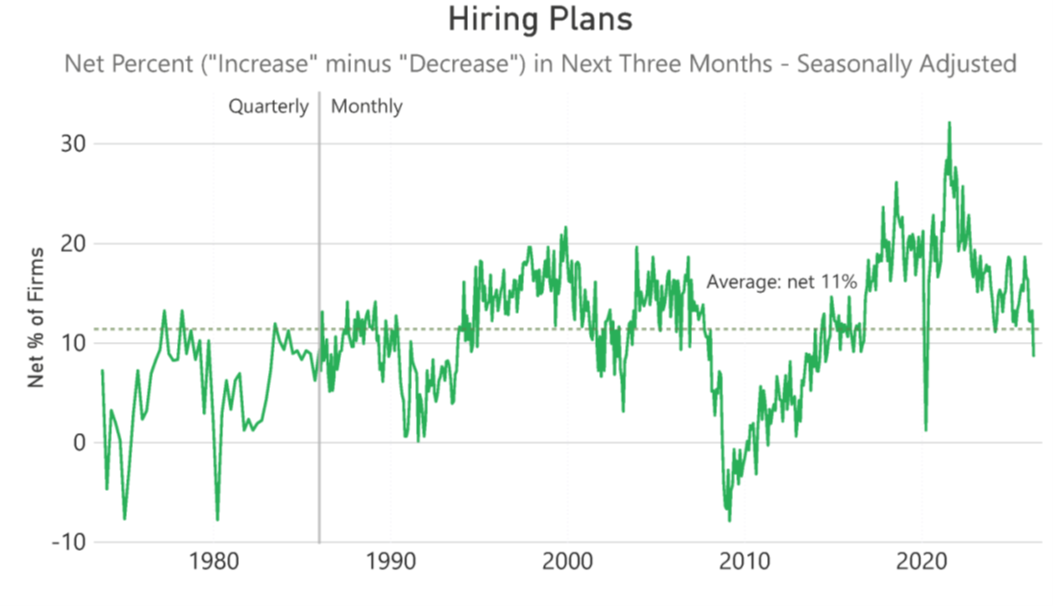
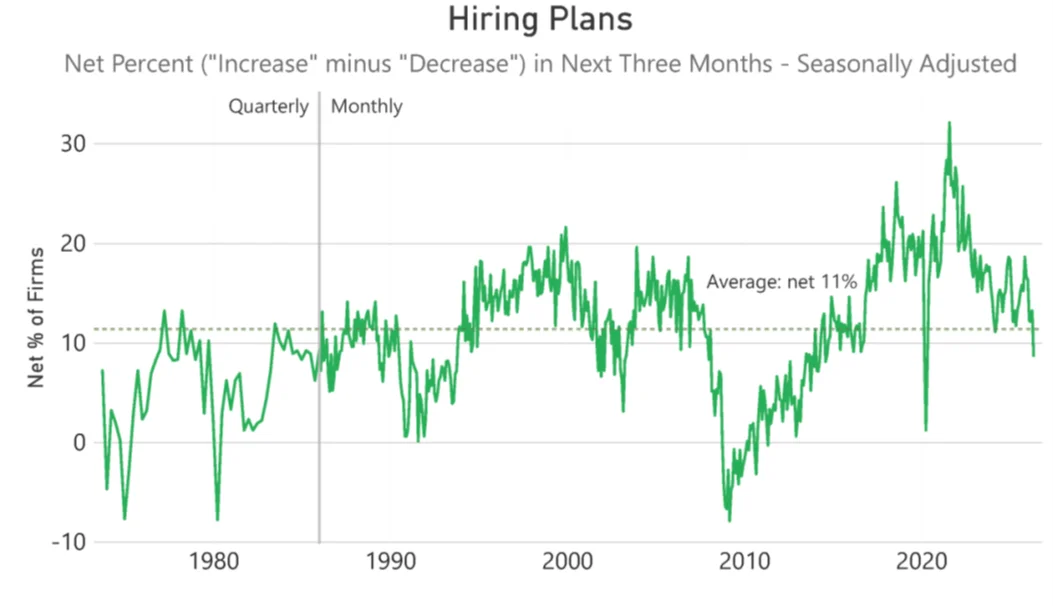
The latest NFIB Jobs Report reveals that just 9% of small business owners anticipate new job creation over the next three months, down from 13% in April. This marks the lowest hiring intentions since May 2020, which echoes broader trends of worry within the sector. To put this in context, the historical average for hiring plans among small firms is roughly 11%. This suggests current expectations are not only low but also lagging behind typical trends.
Historical Context of Small Business Employment
The historical backdrop for small businesses, particularly in the wake of the pandemic, has been fraught with challenges. Many have faced supply chain issues, rising costs, and changing consumer behaviors. Unlike larger firms that can weather economic storms more effectively, small businesses often operate with limited cash reserves and fewer resources. During the high inflation years of 2022-2024, for instance, many small firms struggled to sustain operations, leading to significant contractions in employment.
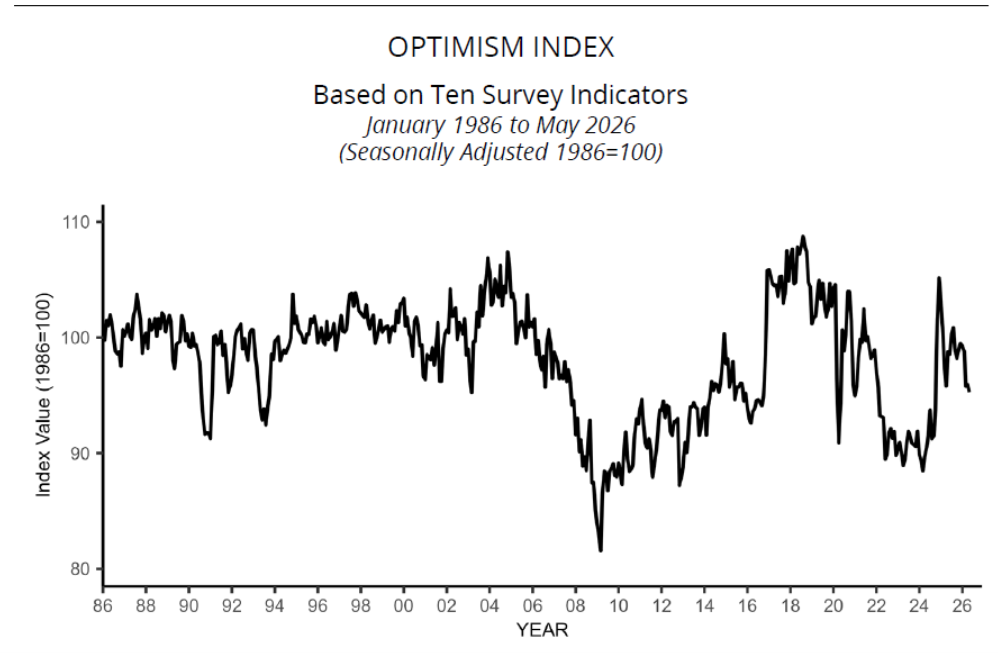
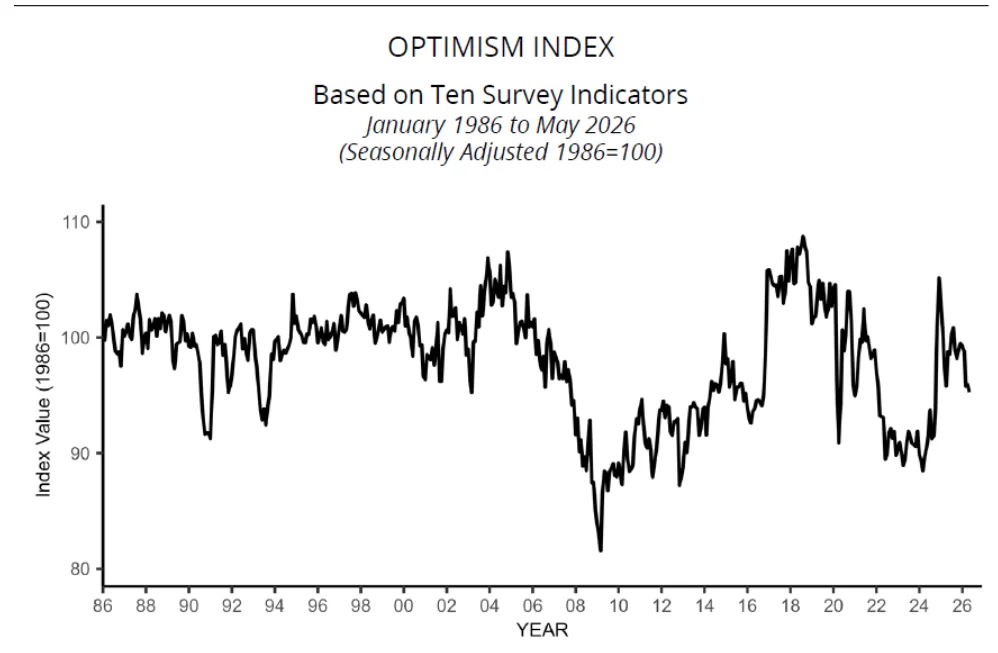
Analyzing data from the NFIB, small business optimism itself experiences cyclical waves—peaking during economic booms and plummeting during downturns. The current pessimism, while not as abysmal as the levels seen during those inflationary pressures, raises serious concerns about the sustainability of job creation. This sector is often seen as a vital economic barometer, meaning its struggles can reflect larger systemic issues.
Current Insights from the NFIB Report
As noted in the NFIB report, general optimism within the small business sector remains low, though not as dire as it was during the high inflation years. This persistent pessimism raises questions about the sustainability of job growth in the coming months. The NFIB has consistently reported data that suggests a link between business sentiment and employment trends.
If you look closely, there’s a notable disconnect between larger economic indicators favoring growth and the concerning signals from small business hiring. The drop to 9% reflects a stark contrast to the optimism that usually accompanies periods of job growth. Historically, when small businesses exhibit this level of worry, it often triggers broader economic implications.
The Predictive Value of Hiring Plans
According to Pantheon Economics, hiring plans historically lead actual nonfarm payroll (NFP) growth by about four months. If that holds true, the recent decline in hiring intentions among small businesses will have repercussions worth monitoring closely. The correlation implies that today’s low hiring outlook could foreshadow more significant job losses in the months ahead, which would compound the current economic uncertainty.
Negative employment trends among small businesses could signal a broader slowdown. That said, there’s some contention on how these trends might play out. While some economists argue that the constrained growth in the labor force may mitigate the likelihood of a recession, it’s still a tenuous balance.
Implications for the Future and the Broader Economy
Understanding these dynamics is crucial for industry professionals. If you're in this space, keep an eye on small business hiring intentions and overall economic sentiment—it could very well dictate market conditions in the near future. The current trends suggest a potential cooling in job growth, with implications for consumer spending as employment levels stabilize or decline.
What this means for smaller firms specifically is that they'll need to be vigilant. With caution as a prevailing sentiment, planning for tighter budgets and more conservative growth projections could become the norm.
From a broader perspective, the ongoing struggles of small businesses could hinder the overall economic recovery. Large organizations might not pick up the slack completely. After all, these small establishments are crucial, representing substantial portions of employment. If they can't hire or expand, that stunts potential economic growth and can lead to a rippling effect throughout the market.
In short, we’re in a wait-and-see mode. The interplay of hiring intentions and economic health is delicate, and the slightest misstep could shift everything. Keep a close watch.